Stolen in Seconds: Understanding the Catalytic Converter Crisis and How to Verify a Legitimate Replacement

On any given morning in cities across the United States, vehicle owners walk to their cars, turn the key, and are greeted by a roar that sounds more like a dragster than a daily commuter. That jarring noise is frequently the first indication that a catalytic converter has been cut from the exhaust system overnight — a theft that typically takes a practiced thief fewer than two minutes to execute.
According to data from the National Insurance Crime Bureau (NICB), catalytic converter theft in the US increased by more than 1,200 percent between 2019 and 2022. While some metropolitan areas have seen modest enforcement improvements since then, the problem remains widespread and shows no signs of disappearing. For vehicle owners and fleet managers alike, understanding the mechanics of this theft epidemic — and the replacement market it has spawned — is an essential component of modern vehicle stewardship.
Why Catalytic Converters Are a Prime Target
The answer lies in chemistry and commodity markets. Catalytic converters contain platinum-group metals (PGMs) — specifically platinum, palladium, and rhodium — that catalyze the conversion of harmful exhaust gases into less toxic emissions. These metals are extraordinarily valuable. At peak market pricing, rhodium alone was trading at over $20,000 per troy ounce, a figure that dwarfs even gold.
Thieves rarely process the metals themselves. Instead, they sell stolen converters to scrap dealers or black-market intermediaries who then export the components or extract the PGMs through industrial processes. The illicit supply chain is sophisticated, and law enforcement agencies across dozens of states have prosecuted large-scale criminal networks built entirely around this single vehicle component.
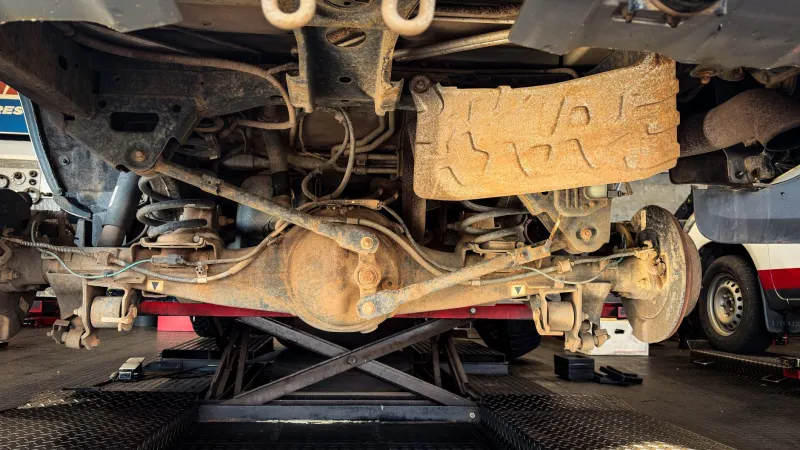
Certain vehicles are targeted with disproportionate frequency. Toyota Priuses — particularly model years 2004 through 2009 — are among the most frequently victimized due to the higher concentration of precious metals in their converters. Full-size trucks and SUVs, including the Ford F-Series, Chevrolet Silverado, and Honda Element, are also common targets because their elevated ride height makes access to the undercarriage significantly easier without requiring a floor jack.
The Financial and Environmental Fallout
The immediate financial impact on vehicle owners is severe. OEM catalytic converter replacements can range from $800 to over $3,000 depending on the vehicle, and that figure does not include labor costs for installation or any ancillary damage caused during the theft — including cut oxygen sensor wires, damaged exhaust pipes, and bent heat shields.
Insurance coverage is inconsistent. Comprehensive auto insurance typically covers catalytic converter theft, but policyholders who carry only liability coverage are left to absorb the full cost out of pocket. Deductibles further erode the practical benefit of filing a claim for many drivers.
The environmental consequences are less visible but equally significant. A vehicle operating without a functional catalytic converter emits substantially higher levels of carbon monoxide, nitrogen oxides, and hydrocarbons. In states with mandatory emissions testing — California, New York, Texas, and many others — a stolen or improperly replaced converter will cause an immediate inspection failure, rendering the vehicle legally inoperable on public roads.
Navigating the Replacement Market: OEM, Aftermarket, and Counterfeit
This is where vehicle owners face a second, less obvious threat. The surge in demand for replacement catalytic converters has created fertile conditions for counterfeit and substandard parts to enter the market. Distinguishing a legitimate replacement from a fraudulent one requires both knowledge and diligence.
OEM Converters are manufactured to the exact specifications of the original component, typically sourced through the vehicle manufacturer or an authorized parts distributor. They carry the appropriate EPA and CARB certifications for the vehicle's model year and state of registration. OEM units are generally the most reliable option for maintaining emissions compliance and engine performance, though they command a premium price.
Quality Aftermarket Converters from established manufacturers — such as Walker, Bosal, or MagnaFlow — represent a legitimate and often more affordable alternative. Reputable aftermarket converters are engineered to meet or exceed OEM performance standards and carry the necessary federal and state certifications. When sourcing an aftermarket converter, verify that the part number corresponds to your specific vehicle's year, make, model, and engine displacement, and confirm that it carries an EPA-compliant designation.
Counterfeit and Black-Market Converters are the critical danger. These units are frequently constructed with little to no precious metal content in the substrate, which means they provide negligible emissions-reducing function. They may appear visually identical to a legitimate converter but will fail emissions testing and, in some cases, cause back-pressure issues that damage the engine over time. They are sold through informal channels, unmarked online listings, and occasionally through unscrupulous repair shops seeking to maximize margin on an insurance claim.
How to Identify a Suspicious Replacement
Several indicators can help vehicle owners and technicians distinguish legitimate converters from counterfeits:
- Price anomalies: If a replacement converter is priced significantly below market rate — particularly for a vehicle known to require expensive PGM content — treat it with skepticism. Legitimate converters cannot be manufactured profitably at deeply discounted prices.
- Missing or vague certification markings: Genuine converters carry clearly printed EPA and CARB certification numbers. A part lacking these markings or bearing generic, unverifiable codes is a red flag.
- Unverifiable part numbers: Cross-reference any part number against the manufacturer's official database or a trusted automotive parts supplier before authorizing installation.
- Unusually light weight: While not a definitive test, counterfeit converters often weigh less than their legitimate counterparts due to reduced substrate material and lower precious metal loading.
- No warranty documentation: Reputable manufacturers back their converters with clearly stated warranties. Absence of warranty terms is a meaningful warning sign.
Proactive Theft Prevention Measures
Beyond replacement, vehicle owners should consider preventive measures before a theft occurs. Several aftermarket anti-theft devices are designed specifically for catalytic converters, including welded steel cable shields, bolt-on protective plates, and cages engineered for specific vehicle models. Products such as the Cat Security system and CatClamp have gained traction among owners of high-risk vehicles.
Additionally, some local law enforcement agencies and dealerships have begun offering catalytic converter etching or marking programs that apply a unique VIN-linked identifier to the component's surface, making it less attractive to thieves and more traceable if recovered.
Parking in well-lit, high-visibility locations — particularly for vehicles known to be frequent targets — provides a meaningful deterrent. Thieves operating on speed and stealth are far less likely to attempt a theft in a monitored or heavily trafficked area.
Sourcing Replacements Through Trusted Channels
When a theft does occur, the quality of the replacement part matters as much as the speed of repair. Working with a reputable automotive parts supplier — one that verifies certification compliance and stands behind the components it sells — is the most reliable safeguard against entering the counterfeit market inadvertently.
At AutoPartsPro, every catalytic converter in our inventory is sourced from verified manufacturers and cross-referenced against EPA and CARB certification databases. Whether you are driving a high-mileage commuter sedan or managing a commercial fleet, the integrity of your emissions system is not a component to compromise on. The theft crisis has created a chaotic replacement market; navigating it with accurate information and trusted sourcing is the most effective protection available to American drivers today.