Silent Snap: How to Read Your Serpentine Belt Before It Leaves You Stranded
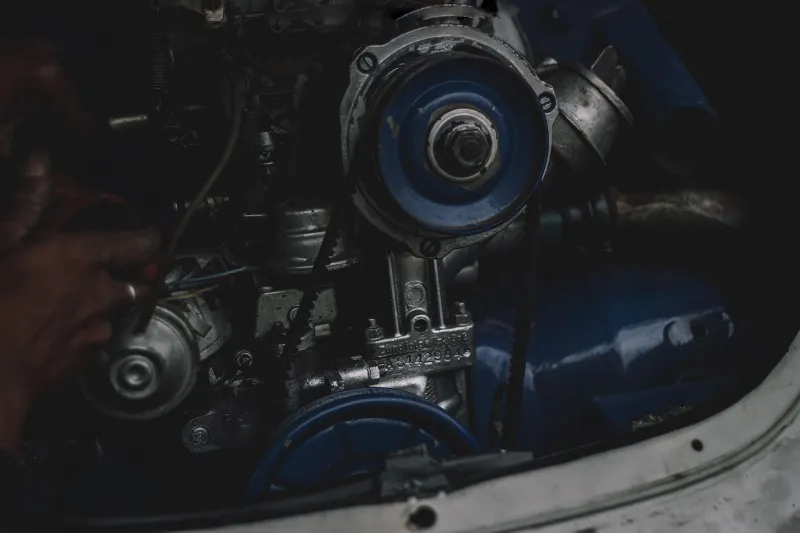
There is a single rubber loop running across the front of your engine that quietly powers your alternator, power steering pump, air conditioning compressor, and water pump — all at the same time. Most drivers have never given it a second thought. That indifference can be expensive.
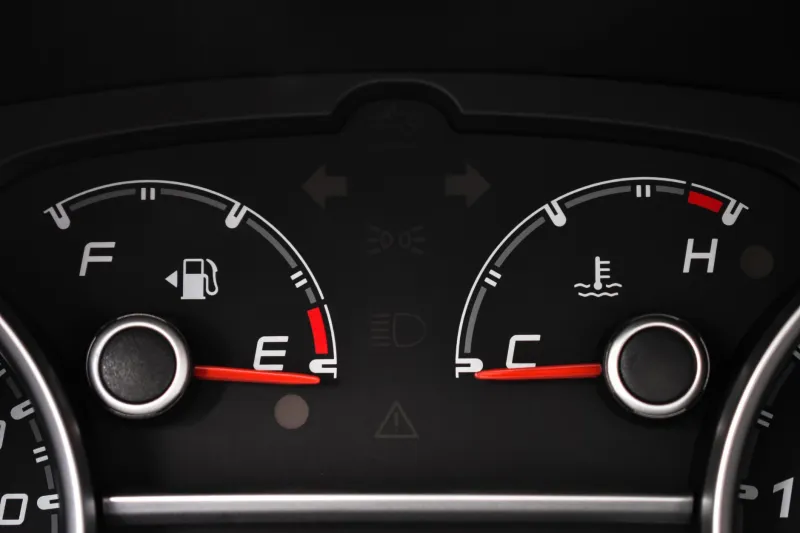
The serpentine belt is not a glamorous component. It does not have a warning light dedicated to its condition. It rarely announces its deterioration with a dramatic symptom — until the moment it doesn't, and suddenly your steering goes heavy, your battery light illuminates, and your engine temperature climbs. On a busy interstate, that sequence of events is not a minor inconvenience. It is a genuine safety hazard.
Understanding when this part actually needs attention — and when a service advisor is simply filling a slow afternoon — is knowledge worth having.
What the Serpentine Belt Actually Does
Unlike older vehicles that used multiple individual belts to drive separate accessories, modern cars and trucks rely on a single continuous belt routed through a series of pulleys. This design is more efficient and more compact, but it introduces a notable vulnerability: one failure affects everything simultaneously.
When a serpentine belt snaps or slips off its track, the alternator stops charging the battery, the water pump may cease circulating coolant, and hydraulic power steering — on vehicles that still use it — disappears entirely. Depending on the vehicle, an engine can overheat within minutes. The battery, running without a recharge, will typically sustain electrical systems for a short period before the car loses power altogether.
The stakes are real. The good news is that this belt does not fail without warning. It simply requires attention most drivers never give it.
Recognizing Genuine Warning Signs
The most reliable indicator of serpentine belt wear is a visual inspection, and it takes less than five minutes with the engine off.
Cracking and glazing are the first signs to look for. Small transverse cracks running across the ribbed underside of the belt indicate rubber that has hardened with age and heat cycling. A belt that appears shiny or glassy on its contact surface has glazed — a condition that causes slipping and reduces its ability to grip the pulleys effectively.
Fraying along the edges suggests misalignment or pulley wear. If the belt has visible threads or ragged material along either side, it is under abnormal stress and should be replaced promptly.
Squealing at startup — particularly on cold mornings or after rain — is a common acoustic symptom. While some squealing can result from a worn tensioner or a contaminated pulley, a glazed or stretched belt is frequently the underlying cause. This sound should not be dismissed as normal engine noise.
Visible missing chunks or separated ribs represent an advanced stage of deterioration. At this point, replacement is not optional.
It is worth noting that a belt can appear visually sound while still being compromised. Age and heat exposure degrade the internal structure of the rubber before surface cracking becomes obvious. This is why mileage and time intervals matter alongside physical inspection.
The Lifespan Question: What the Manufacturer Says Versus What Actually Happens
Factory service intervals for serpentine belts vary considerably. Many domestic and import vehicles specify replacement somewhere between 60,000 and 100,000 miles. Some manufacturers have extended that recommendation to 150,000 miles on newer belt compounds. These figures, however, are derived from controlled testing conditions that do not always reflect real-world driving.
Several variables accelerate belt wear in practice:
- Climate extremes. Vehicles operating in the desert Southwest or in regions with harsh winters experience greater thermal stress. Heat in particular is the primary enemy of rubber compounds.
- Short-trip driving. Engines that never fully warm up and cool down repeatedly accumulate thermal fatigue faster than highway-driven vehicles.
- Accessory load. Trucks and SUVs with heavy electrical demands — running auxiliary lighting, refrigeration units, or towing loads — put greater strain on the belt and its tensioner system.
- Deferred tensioner maintenance. A worn automatic tensioner allows belt slippage and uneven wear. Replacing the belt without evaluating the tensioner is a common and costly oversight.
A practical approach: if your vehicle is approaching 70,000 miles and the belt has never been replaced, a professional inspection is warranted regardless of the manufacturer's stated interval. If the vehicle has exceeded 100,000 miles on the original belt, replacement is generally advisable even in the absence of visible symptoms.
Separating Legitimate Service Recommendations from Unnecessary Upsells
Service advisors at dealerships and quick-lube chains sometimes recommend serpentine belt replacement at intervals that are difficult to justify — occasionally as early as 40,000 miles on a belt showing no signs of wear. Understanding the difference between a legitimate recommendation and a revenue-generating suggestion requires a small amount of due diligence.
Request to see the belt before authorizing any work. Ask the technician to show you the specific wear indicators that prompted the recommendation. Cracking, glazing, and fraying are visible and demonstrable. If a service advisor cannot point to a specific condition, the recommendation may be premature.
Consulting your owner's manual for the manufacturer's stated interval is also worthwhile. While real-world conditions can justify earlier replacement, a belt being condemned at half its recommended service life without clear evidence of wear deserves scrutiny.
At the same time, erring too far in the direction of skepticism carries its own risk. A serpentine belt that fails on a rural highway at night, or during extreme heat, can create a situation that costs far more than the part itself — in towing fees, emergency repairs, and potential engine damage from overheating.
The Cost of Proactive Replacement Versus Reactive Repair
The belt itself is among the more affordable service items on any vehicle, typically ranging from $25 to $75 depending on the make and model. Labor for replacement is generally straightforward, with most jobs completed in under an hour at a shop rate that brings the total to somewhere between $75 and $200 at a reputable independent garage.
The cost of a roadside failure is a different calculation entirely. Towing, emergency service fees, and the possibility of secondary damage — a cracked serpentine belt can occasionally contact other components as it disintegrates — can push total costs into the hundreds or beyond. If overheating occurs before the driver recognizes the situation and pulls over, the potential for engine damage escalates the stakes considerably.
When framed as a straightforward risk calculation, the logic of proactive replacement becomes clear. A worn belt at 85,000 miles is not a theoretical concern — it is a genuine liability that can be eliminated for the price of a modest service appointment.
A Practical Replacement Framework
For drivers who want a concrete framework rather than vague guidance, the following approach is reasonable for most US driving conditions:
- Inspect visually at every oil change or at minimum every 15,000 miles. Look for cracking, glazing, fraying, and missing material.
- Replace proactively at 80,000 to 90,000 miles if the belt has not yet been serviced, regardless of visual appearance, particularly in hot climates or high-demand applications.
- Replace immediately if any cracking, glazing, squealing, or fraying is observed, regardless of mileage.
- Evaluate the tensioner and idler pulleys at the same time. These components wear in parallel with the belt and are inexpensive to replace together.
- Document the replacement date and mileage to establish a clear baseline for the next service interval.
The serpentine belt is not a component that rewards procrastination. It is, however, one that rewards attentiveness. A brief inspection on a consistent schedule, paired with a willingness to replace a relatively inexpensive part before failure, is among the more cost-effective maintenance habits any driver can adopt.