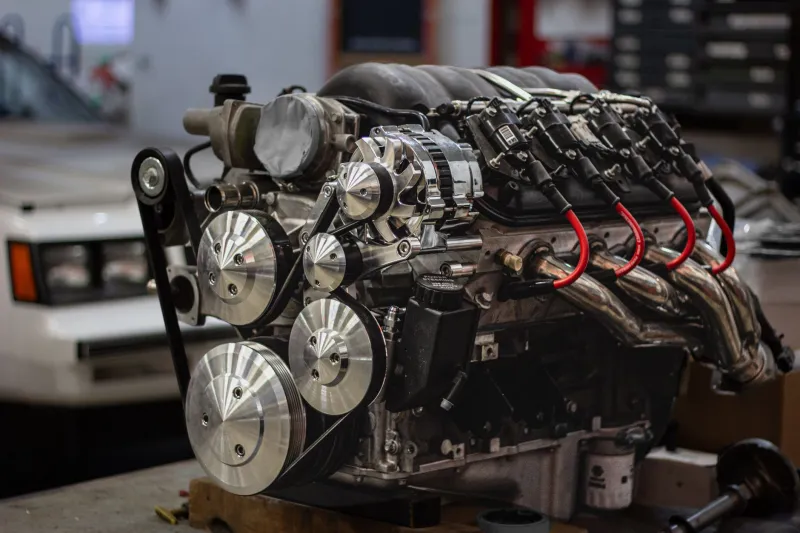
OEM or Aftermarket? A No-Nonsense Breakdown for Smart Car Owners
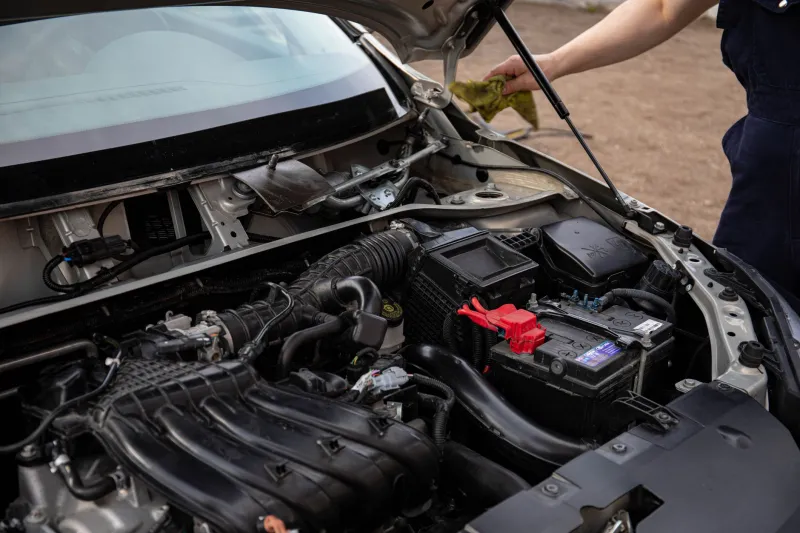
Walk into any auto parts conversation and you will inevitably encounter two camps: those who swear exclusively by original equipment manufacturer (OEM) components and those who champion aftermarket alternatives as the smarter financial choice. The reality, as is often the case in automotive maintenance, is considerably more nuanced. At AutoPartsPro, we believe informed purchasing decisions begin with honest information—so here is what the parts industry does not always make readily apparent.
Understanding the Terminology
Before diving into comparisons, clarity on definitions matters enormously. An OEM part is manufactured by the same company—or a contracted supplier—that produced the original component installed in your vehicle during assembly. When you purchase an OEM brake rotor for a 2019 Ford F-150, you are receiving a component built to Ford's exact engineering specifications.
An aftermarket part, by contrast, is produced by an independent manufacturer that has engineered its own version of the component. These manufacturers range from globally recognized brands with decades of quality assurance behind them to lesser-known suppliers operating with considerably thinner quality controls. That distinction is perhaps the single most important factor most buyers overlook.
The Quality Equation: It Is More Complicated Than You Think
The prevailing assumption is that OEM automatically equals superior quality. In many cases, this holds true—particularly for complex, electronically integrated components such as transmission control modules, ABS sensors, and engine management systems. These parts rely on precise calibration with your vehicle's onboard computer, and even minor deviations can trigger warning lights or reduce performance.
However, independent testing conducted by organizations such as the Automotive Body Parts Association (ABPA) has consistently demonstrated that premium aftermarket manufacturers—think Bosch, Denso, Gates, and Monroe—frequently match or exceed OEM specifications for mechanical components. In categories like oil filters, spark plugs, and suspension bushings, the performance gap is often negligible when sourcing from reputable suppliers.
Where aftermarket quality tends to falter is at the budget end of the spectrum. A $12 water pump from an unverified overseas manufacturer is unlikely to deliver the same service life as either an OEM unit or a premium aftermarket equivalent priced at $45. The cost savings evaporate quickly when premature failure leads to labor charges for a second replacement.
Warranty Considerations: Know Your Rights
A common misconception deserves direct correction: installing aftermarket parts does not automatically void your vehicle's factory warranty. The Magnuson-Moss Warranty Act of 1975 protects consumers by prohibiting manufacturers from voiding warranties solely because an aftermarket part was used—unless the manufacturer can demonstrate that the aftermarket component directly caused the failure in question.
That said, dealerships retain discretion in warranty claim evaluations, and disputes can arise. For vehicles still under factory coverage, documenting all parts installations and retaining receipts is strongly advisable. For vehicles outside warranty periods, this concern largely diminishes.
Aftermarket parts themselves typically carry their own warranties, ranging from 90 days on budget components to lifetime guarantees on premium lines from established brands. OEM parts generally include a 12-month or 12,000-mile warranty through dealership channels.
Cost Analysis: Where the Real Savings Live
The price differential between OEM and aftermarket components varies dramatically by part category. Consider these general comparisons based on national averages:
- Brake pads: OEM typically runs $60–$120 per axle; quality aftermarket ranges from $30–$80
- Oxygen sensors: OEM averages $80–$200; aftermarket from reputable brands runs $25–$90
- Timing belts: OEM kits often exceed $150; aftermarket equivalents from Gates or Dayco run $60–$110
- Body panels: OEM panels can exceed $400; certified aftermarket alternatives frequently fall between $150–$250
For high-mileage vehicles approaching end-of-life, investing OEM prices in aging platforms is often financially questionable. Conversely, for a newer vehicle where long-term reliability is paramount, the OEM premium may represent sound risk management.
When to Choose OEM—And When to Go Aftermarket
Opt for OEM when:
- The component interfaces directly with electronic control systems
- Your vehicle is under factory warranty
- You are repairing a safety-critical system and want zero ambiguity about fitment
- The vehicle holds significant resale or collector value
Opt for aftermarket when:
- The vehicle is outside warranty and high-mileage
- You are sourcing from an established, well-reviewed brand
- The component is mechanical rather than electronic
- You are upgrading beyond stock performance specifications
The Final Verdict
There is no universally correct answer in the OEM versus aftermarket debate. The most financially and mechanically sound approach is part-specific and brand-specific. A discerning buyer sources OEM electronics and aftermarket mechanical components from trusted manufacturers—extracting the best value from each category.
At AutoPartsPro, our catalog spans both OEM-equivalent and premium aftermarket options across every make and model on American roads. Every listing includes brand information, warranty details, and compatibility verification—because the right part, selected with complete information, is always the best part.